Author: Alina

The Rise of NFT Loyalty Passes in Modern Casinos

Welcome to the future of player engagement. As a representative of the premium gambling sector in 2026, I have seen the total collapse of the traditional, centralized loyalty program. Gone are the days of plastic cards, forgotten points, and rewards that expire in the shadows of a database. Today, your status is an asset that you truly own. The integration of NFT casino loyalty systems has transformed the relationship between the operator and the player, shifting from a model of “permissioned rewards” to one of “sovereign utility.” In this new era, your loyalty is no longer just a record in our servers; it is a digital token residing in your wallet, carryable across platforms, and, most importantly, possessable in a way that allows you to treat your VIP status as a liquid investment.

The Death of the Traditional Loyalty Card

Looking back at the early 2020s, the loyalty systems we used were fundamentally flawed. They were silos designed to keep players trapped. If you earned “Platinum Status” at one casino, that status was worthless everywhere else. Furthermore, if you decided to stop playing, all the “equity” you had built up in that brand vanished. From an expert perspective, this was an inefficient market.
Why Every Professional Punter Prefers Live Blackjack

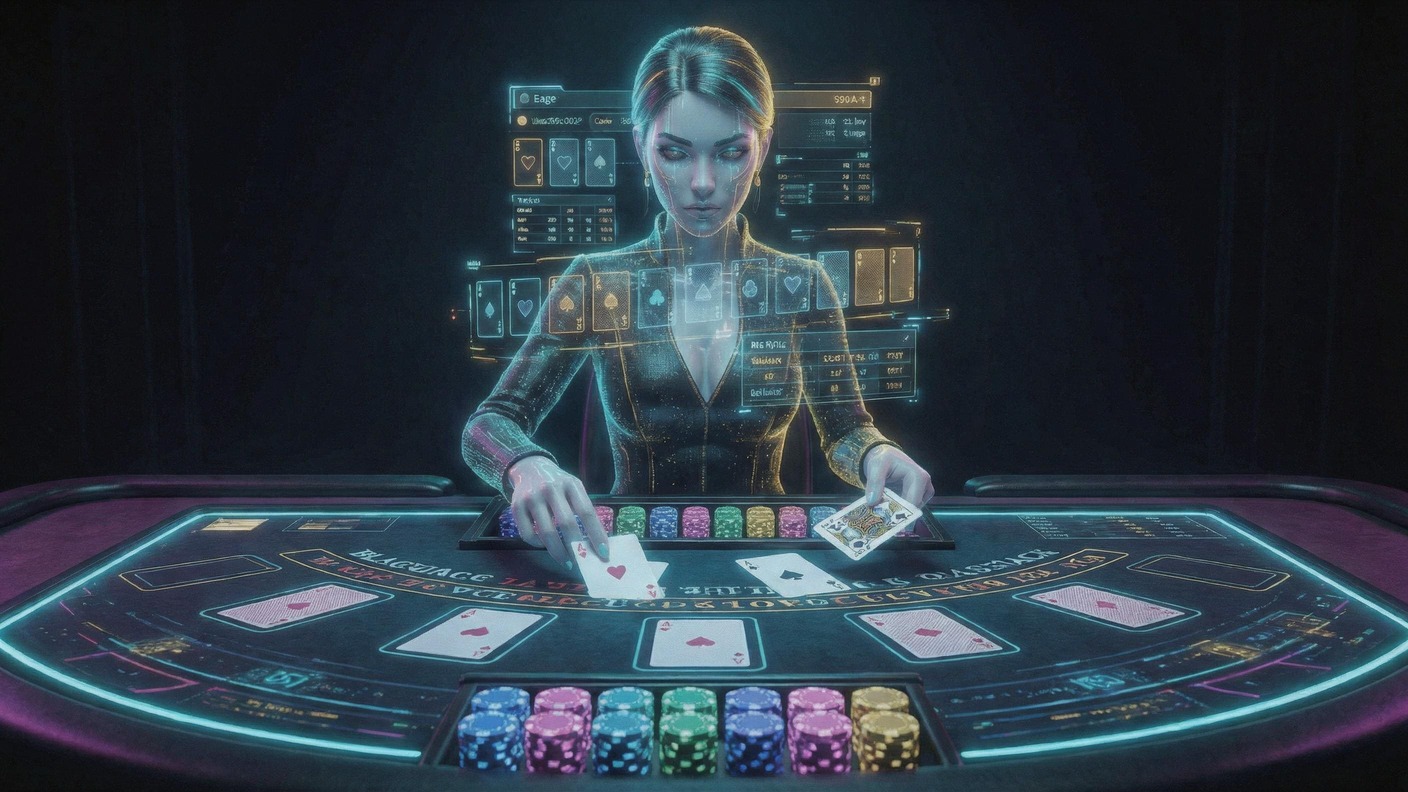
In the sophisticated gambling landscape of 2026, the divide between casual players and professional punters has never been more visible. As a representative of the premium gaming sector, I have watched thousands of high-net-worth individuals transition away from algorithmic, software-based games in favor of a more tactile, transparent experience. When a player makes the leap to Pro live blackjack, they are not looking for the flashy animations or the gamified “level-up” systems of modern slots; they are looking for mathematical transparency and the opportunity to exploit the physical limitations of a real-world deck. In the professional world, the algorithm is a “black box” that cannot be predicted, whereas a physical shoe, handled by a human dealer in high-definition 8K, is a sequence of events governed by the laws of physics and probability that can be tracked, analyzed, and eventually conquered.

The Death of the Black Box: Why Pros Distrust RNG

To understand the professional preference, you must first understand the professional’s greatest enemy: the Random Number Generator (RNG). In a software-based game, the cards are not “drawn” from a deck; they are generated by a mathematical formula at the exact millisecond you click “deal.” For a casual player, this is fine. For a professional, it is a nightmare. There is no “memory” in an RNG game. Every hand is an independent event with a fresh, infinite supply of cards.

The Future of Poker: Live Dealers in the Metaverse

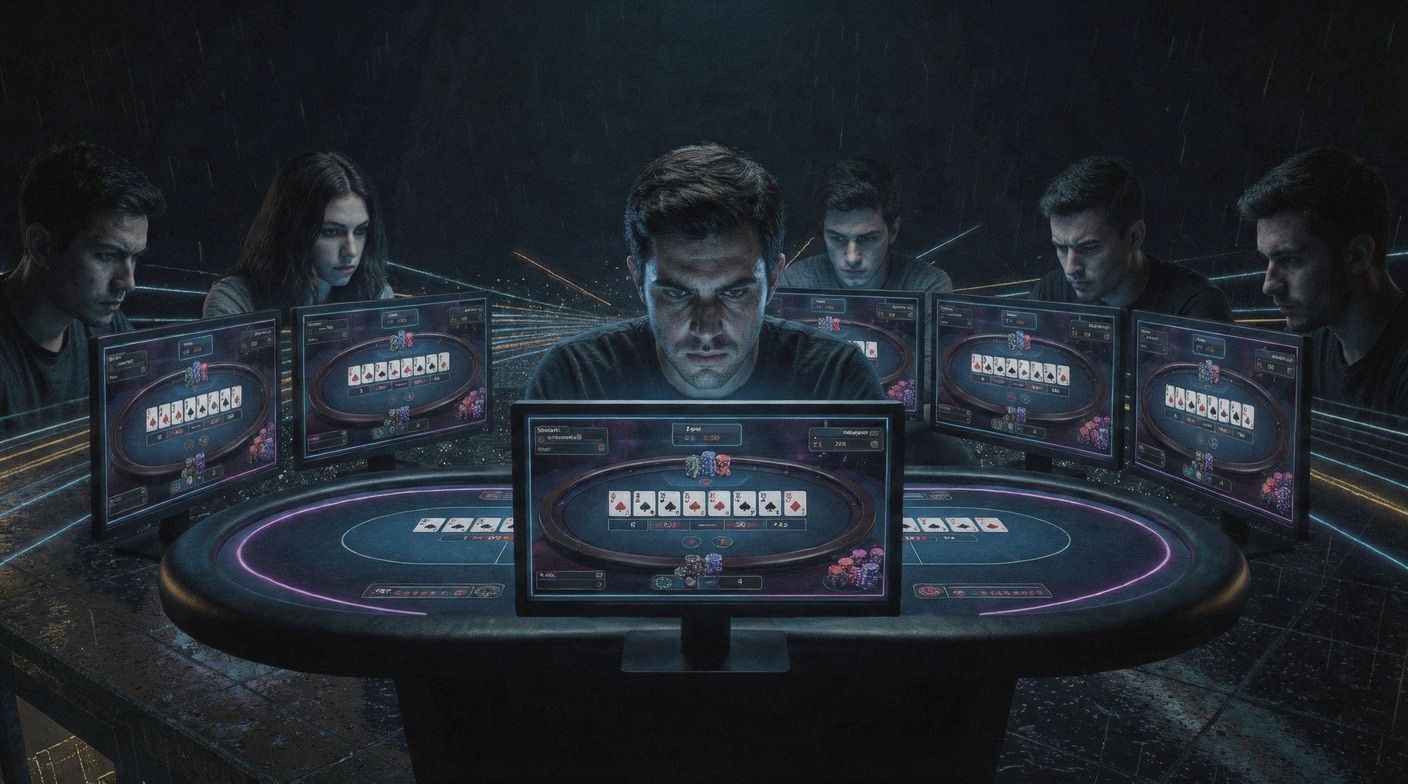
As we stand at the peak of 2026, the gambling industry has officially crossed the threshold into the spatial era. As a representative of this high-tech sector, I have witnessed the transition from the flat, 2D screens of the early 2020s to the fully immersive, volumetric environments we operate today. The most profound shift has occurred in how we perceive the game of poker. For decades, online poker was a game of statistics and cold clicks, stripped of the soul and the subtle human nuances that define the sport. However, the integration of the Metaverse has changed the landscape forever. When you join a poker live session in our virtual flagship casino today, you aren’t just looking at a video feed; you are sitting at a table made of digital atoms, feeling the weight of the chips in your hand and reading the micro-gestures of a dealer who is physically located thousands of miles away but stands inches from your avatar.

The Convergence of Physical Reality and Spatial Computing

In 2026, the term Metaverse is no longer a buzzword; it is the infrastructure of our daily gaming operations. The primary challenge we faced five years ago was the “uncanny valley” of digital interaction. Players wanted the convenience of home but the atmosphere of the Bellagio. Spatial computing has bridged that gap. By using high-fidelity headsets and haptic gloves, we have recreated the tactile sensation of a poker room.

How AI Personalizes Your Live Dealer Experience

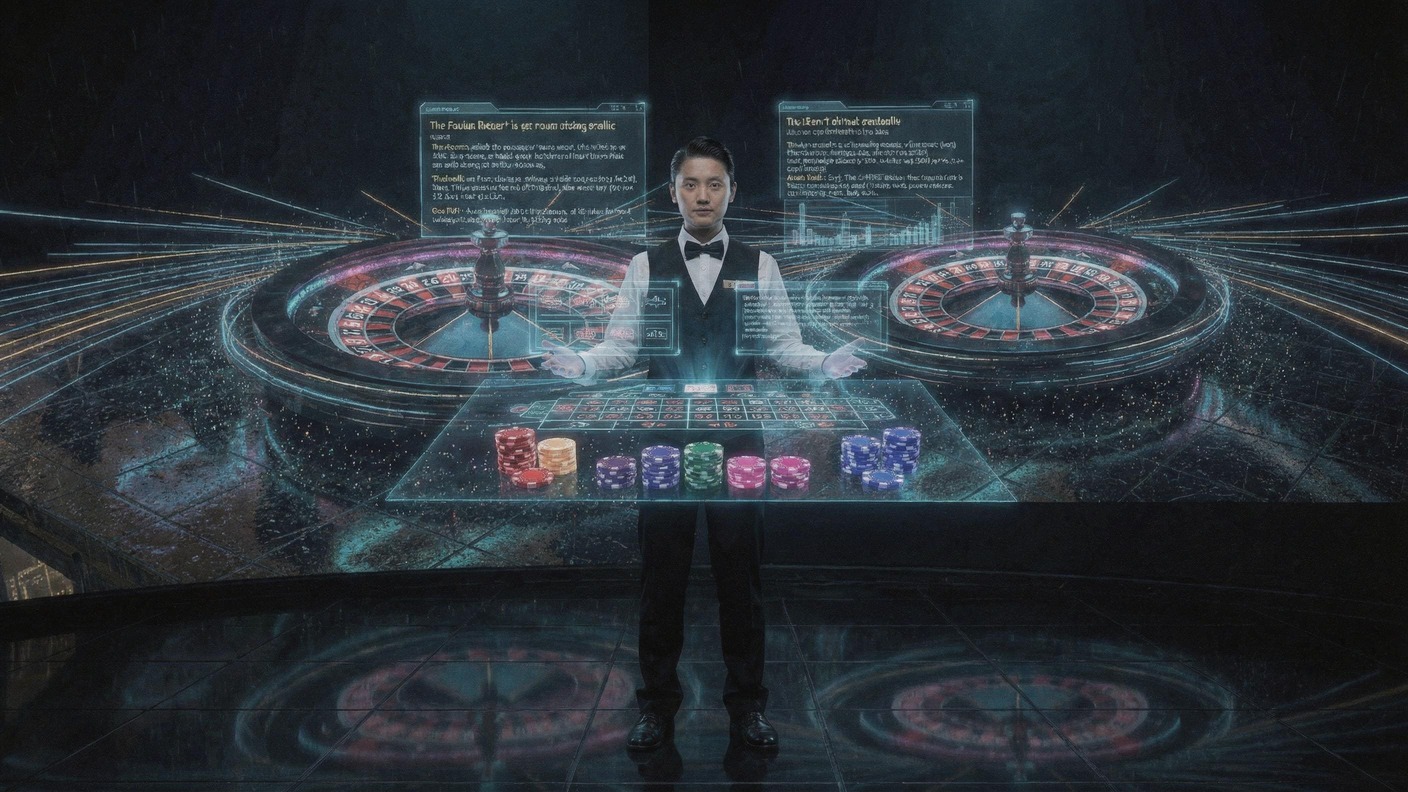
As a representative of the premium gambling sector in 2026, I have witnessed the transition of online gaming from a static interface into a living, breathing digital organism. Gone are the days when every player saw the same grid of tables and the same generic dealers. Today, the moment you initiate a casino deposit, our proprietary neural networks begin a sophisticated orchestration of your entire session. This is not just about efficiency; it is about creating a bespoke psychological landscape where the games, the dealers, and even the visual aesthetics are tailored to your unique behavioral DNA. We are no longer just providers of software; we are architects of personalized reality.

The Neural Lobby: The End of Browsing

In 2026, the concept of “browsing” for a game is essentially obsolete. When you log in, the AI-driven lobby has already predicted your mood and intent with 94 percent accuracy. It analyzes your recent heart rate data from wearable devices (if shared), your historical volatility preference, and even the time of day to present a “Neural Lobby.”

Sitting at the VIP Baccarat Table: What to Expect

In the sophisticated world of 2026 digital gaming, the distinction between a standard floor and a VIP suite has never been more pronounced. As a representative of the upper echelons of this industry, I have watched the evolution of player expectations shift from mere functionality to a demand for total atmospheric immersion. When you enter our premium suites for a session of live baccarat, you are not just participating in a card game; you are stepping into a curated environment designed for the global elite. This is a space where the minimum bets often exceed the maximums of standard tables, and where every dealer movement is choreographed to provide the ultimate sensation of high-stakes tension and luxury.

The Architectural Design of a VIP Suite

The first thing you will notice upon entering a VIP table in 2026 is the visual silence. Unlike the energetic, neon-soaked backgrounds of game shows or standard tables, VIP Baccarat environments are designed with a “Quiet Luxury” aesthetic. We utilize deep velvets, brushed gold accents, and dark wood finishes that mimic the private salons of Monte Carlo or Macau.